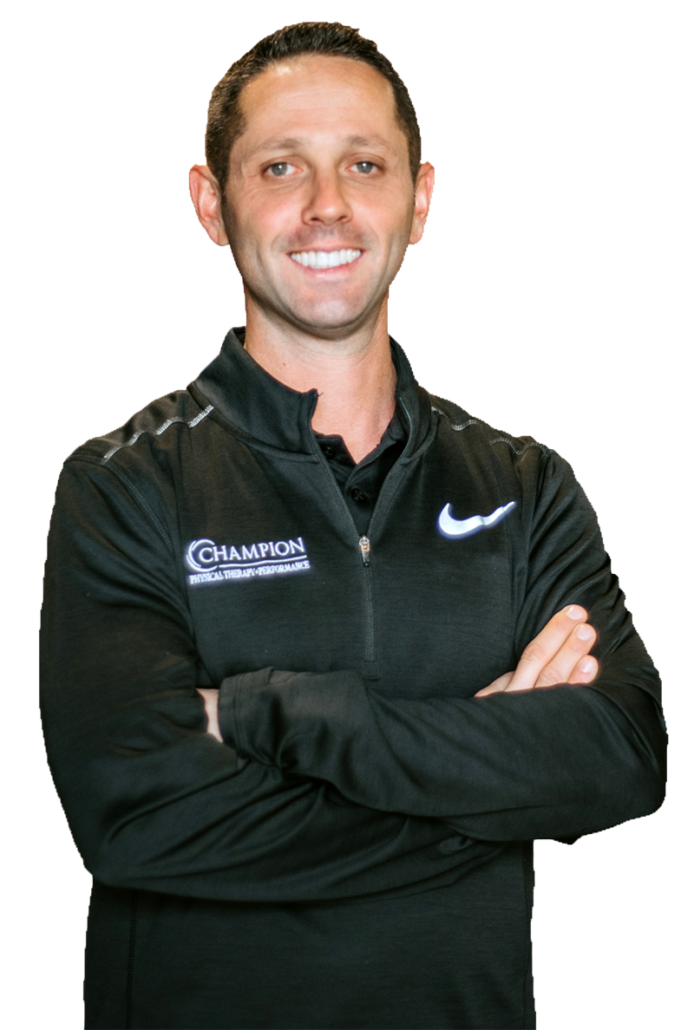
Want to Level Up Each Week?
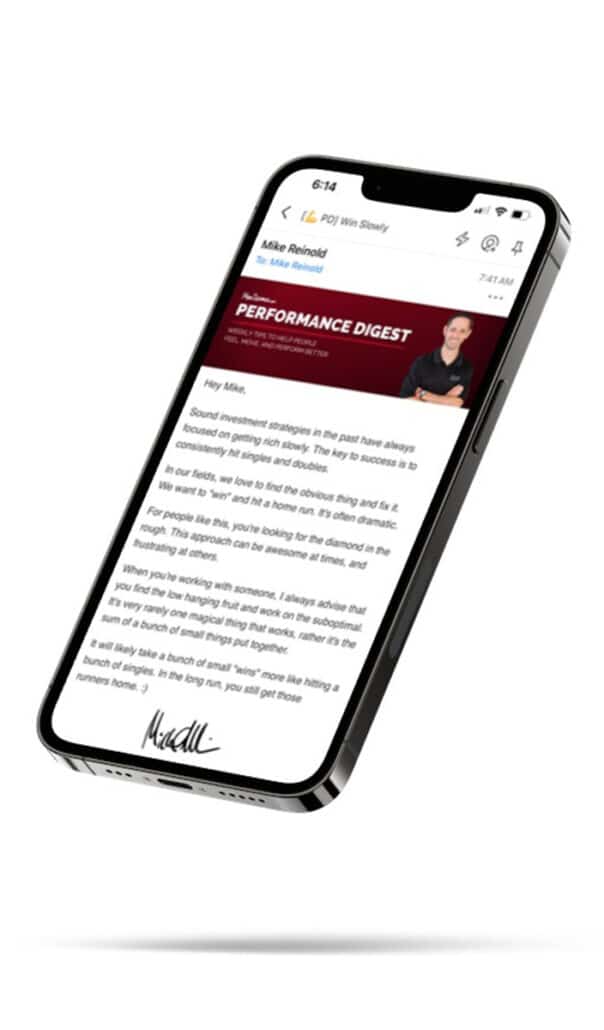
Subscribe to my award-winning newsletter for physical therapists and fitness professionals that want to get better at helping people feel better, move better, and perform better.

Subscribe to my award-winning newsletter for physical therapists and fitness professionals that want to get better at helping people feel better, move better, and perform better.
There’s so much info out there online these days, it’s easy to get overwhelmed with all the opinions. How do you know who to trust?
I help make the complex more simple with educational information backed by research AND experience. No cynical opinions, no closed-mindedness, no drama.
Just stuff that works.
Join over 85,000 other physical therapists and fitness professionals that want to get a little better each week. Newsletter subscribers get all these benefits and more:

I help people feel better, move better, and perform better. I want to help you learn to do the same.